Choosing the Perfect Shed for Your Backyard
Updated: Feb 20
When it comes to enhancing your backyard, a shed can be a game-changer. Whether you need extra storage, a workspace, or a cozy retreat, selecting the right shed is crucial. With so many options available, how do you choose the perfect one? This guide will walk you through the essential factors to consider, ensuring you make an informed decision that suits your needs and complements your outdoor space.
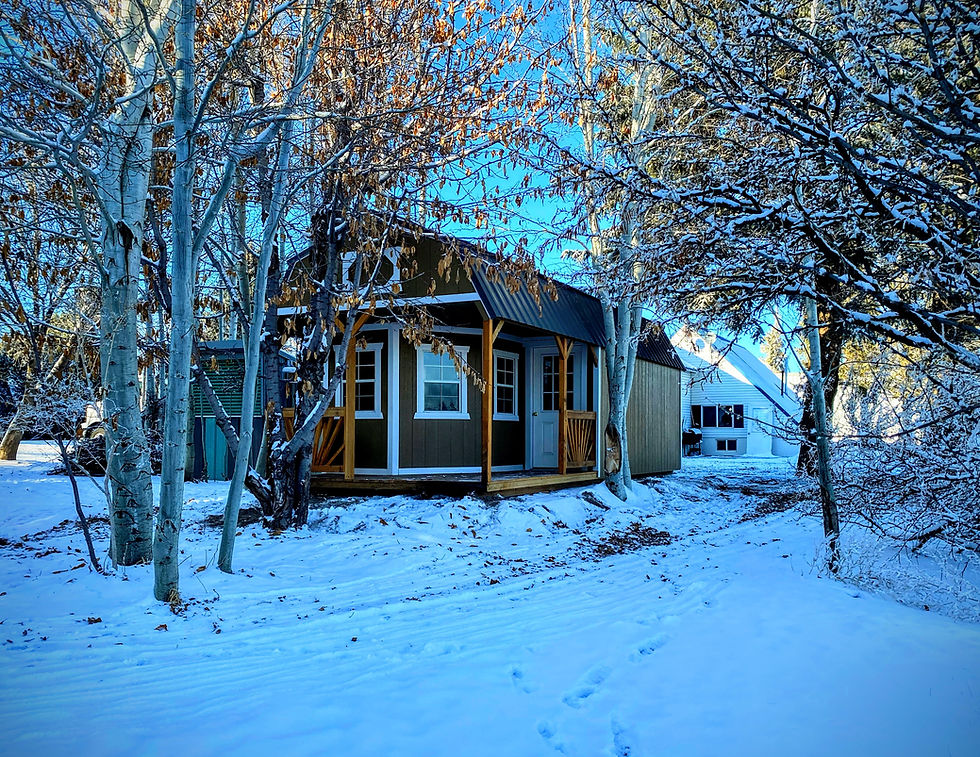
Understanding Your Needs
Before diving into the world of sheds, it’s essential to understand your specific needs. Ask yourself the following questions:
What will you use the shed for?
Storage, a workshop, or perhaps a garden retreat? Defining the purpose will help narrow down your options.
How much space do you have?
Measure the area where you plan to place the shed. Consider not just the footprint but also the height and any nearby structures or trees.
What is your budget?
Sheds come in a wide range of prices. Establishing a budget will help you focus on options that are financially feasible.
Types of Sheds
Once you have a clear understanding of your needs, it’s time to explore the different types of sheds available:
1. Storage Sheds
These are the most common type of sheds, designed primarily for storage. They can hold gardening tools, outdoor furniture, and seasonal items. Storage sheds come in various sizes and materials, including wood, metal, and plastic.
2. Garden Sheds
Garden sheds are typically smaller and often feature windows and shelving. They are perfect for storing gardening supplies and can also serve as a potting area.
3. Workshops
If you’re a DIY enthusiast or need a dedicated workspace, consider a workshop shed. These sheds are usually larger and may include electrical outlets and workbenches.
4. Playhouses
For families with children, a playhouse shed can provide a fun space for kids to play. These sheds are often designed with colorful exteriors and playful features.
5. Greenhouses
If you’re passionate about gardening, a greenhouse shed can help you grow plants year-round. These structures are designed to maximize sunlight and maintain a warm environment.
Materials Matter
The material of your shed plays a significant role in its durability, maintenance, and appearance. Here are the most common materials:
1. Wood
Wooden sheds offer a classic look and can be customized easily. However, they require regular maintenance, such as painting or staining, to protect against the elements.
2. Metal
Metal sheds are durable and low-maintenance. They are resistant to pests and rot but may not provide the same aesthetic appeal as wooden sheds.
3. Plastic
Plastic sheds are lightweight, easy to assemble, and resistant to rot and rust. They often come in various colors and styles but may not be as sturdy as wood or metal options.
Size and Layout
Choosing the right size and layout is crucial for functionality. Here are some tips:
Consider vertical space: If you have limited ground space, look for sheds with vertical storage options, such as shelves and hooks.
Plan for accessibility: Ensure there’s enough room to move around inside the shed. A cluttered space can quickly become unmanageable.
Think about future needs: If you anticipate needing more storage or workspace in the future, consider opting for a larger shed now.
Style and Aesthetics
Your shed should complement your home and garden. Here are some style considerations:
Match your home’s architecture: Choose a shed that reflects the style of your house, whether it’s modern, traditional, or rustic.
Add personal touches: Consider painting your shed or adding decorative elements like shutters or flower boxes to enhance its appearance.
Landscaping: Surround your shed with plants, pathways, or decorative stones to integrate it into your backyard seamlessly.
Local Regulations and Permits
Before purchasing a shed, check local building codes and regulations. Some areas may require permits for sheds over a certain size or specific types of structures. Understanding these regulations can save you time and potential fines.
Installation Options
Once you’ve chosen the perfect shed, consider how you will install it:
DIY Installation: Many sheds come in kits that you can assemble yourself. This option can save money but requires some handy skills.
Professional Installation: If you prefer a hassle-free experience, hiring professionals to install your shed can ensure it’s done correctly and efficiently.
Maintenance Tips
To keep your shed in top condition, follow these maintenance tips:
Regular inspections: Check for signs of wear and tear, such as rust, rot, or leaks.
Clean gutters and roofs: Ensure that water drains properly to prevent damage.
Paint or stain as needed: Protect wooden sheds from the elements by reapplying paint or stain every few years.
Conclusion
Choosing the perfect shed for your backyard is a significant decision that can enhance your outdoor space. By understanding your needs, exploring different types and materials, and considering aesthetics and maintenance, you can find a shed that not only meets your requirements but also adds value to your home.
Take the time to plan and research your options, and soon you’ll have a beautiful and functional shed that complements your lifestyle. Whether you’re storing tools, creating a workspace, or establishing a garden retreat, the right shed can transform your backyard into a more organized and enjoyable space.


Comments